








Purple Milkweed Vine (Matelea biflora), also known as Star Milkvine, Twoflower Milkvine, is an uncommon native twining vine that pairs velvety, dark maroon star blossoms with vital host plant support for monarchs and queens.
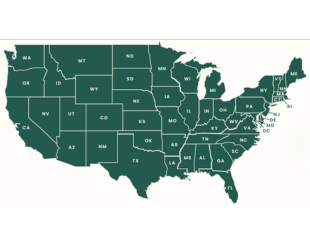
Purple Milkweed Vine is a native twining vine in the milkweed family, recognized by its five-petaled, dark maroon star-shaped flowers and softly fuzzy, heart-shaped leaves. Native to rocky limestone hills and South Texas plains, it spirals up through native shrubs, fences, and low trellises from spring through midsummer. One of the rare vine-form milkweeds native to the region, it delivers critical milkweed foliage and rich nectar in a unique, climbing habit.
Key Features:
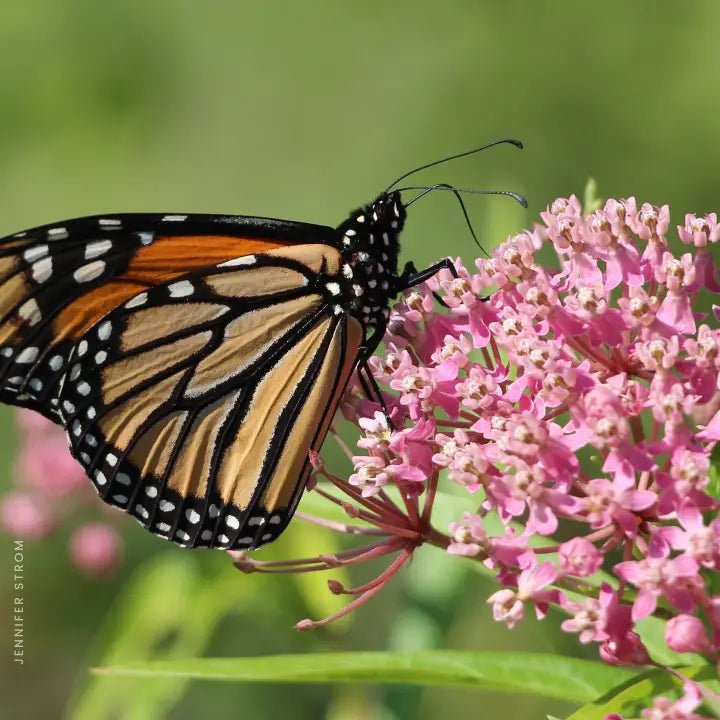
- Monarch Host Plant: A native milkweed that supports monarch butterfly caterpillars — and one of the rare climbing species that can play this role.
- Star-Shaped Blooms: Five-petaled, dark purple-to-maroon flowers bloom in pairs from April through July, creating a dramatic accent against fuzzy, heart-shaped green leaves.
- Compact Natural Climber: Delicate, twining stems weave effortlessly through low shrubs, wire fences, or small trellises, reaching a manageable 3 to 6 feet without smothering surrounding plants.
- Drought Tolerant: Thrives on rocky limestone soils with minimal supplemental water once established.
- Unique Texas Native: One of the few milkweed vines native to the state — a rare and rewarding find for dedicated wildlife gardeners.
- Low-Maintenance Native: Requires no deadheading or heavy pruning—simply give it a climbing structure and let it flourish.
- Eco-Friendly: Grown non-GMO and neonicotinoid-free to ensure a healthy ecosystem for your local wildlife.
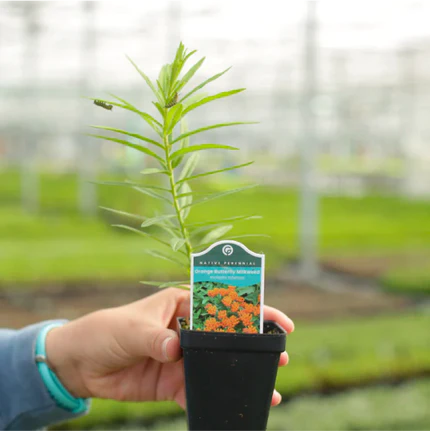
Our plants ship in 3-inch pots, have a developed root mass, and emerging foliage around 2-5 inches high.
Why Choose Purple Milkweed Vine?
Purple Milkweed Vine offers crucial habitat diversity for native wildlife gardens. While most milkweeds grow as upright stalks, this twining species provides vertical shelter and essential cardiac-glycoside foliage for Monarch and Queen caterpillars. Its deep-hued blossoms produce rich nectar for native sweat bees, small butterflies, and beneficial wasps, while its late-season horned seed pods release silky-fluffed seeds used by songbirds for nest building.
Planting Tips:
- Location: Plant in full sun to part shade in dry to medium, well-drained rocky, sandy, or limestone-based soils. Excellent soil drainage is essential for long-term health.
- Watering: Water regularly during the first growing season to establish roots. Once established, it tolerates occasional dry spells.
- Maintenance: Provide a sturdy structure like a trellis or fence for climbing. If needed, prune in late winter or early spring to encourage healthy growth and maintain shape.
For more information on planting, view our How to Plant Your Native Plants guide and other planting tips in the Garden for Wildlife Learning Center.
Add the beauty and ecological benefits of Purple Milkweed Vine to your garden — a native vine that rewards you with dark maroon, 5-petaled star-shaped flowers from April through July while supporting pollinators and wildlife.
 Grows to:
  Spread:
  Blooms:
  Light Requirements:
  Soil Moisture:
  Soil Description:
  Attracts:
 Verified Buyer