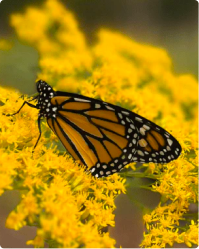
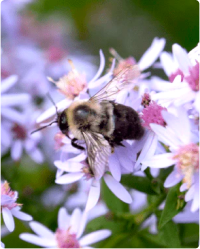
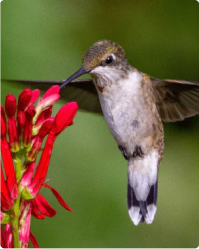








Bring the magic of monarch support to the shady corners of your garden with Poke Milkweed (Asclepias exaltata). Unlike its sun-loving cousins, this unique, shade-tolerant milkweed thrives in dappled sunlight and woodland edges, reaching impressive heights of up to 6 feet. In early summer, it produces elegant, drooping clusters of fragrant white to cream flowers—often tinted with purple or green—that look like delicate fireworks suspended from slender stalks.
As a host plant for the Monarch butterfly and a nectar source for Great Spangled Fritillaries, Tiger Swallowtails, and native bees, Poke Milkweed transforms shady spots into bustling pollinator habitats. Its large, oval leaves provide essential food for monarch caterpillars, while its aromatic blooms add sensory delight to your landscape. Non-aggressive and long-lived, this "lofty" milkweed is perfect for adding vertical interest, fragrance, and ecological value to woodland gardens and shaded borders.
Key Features:
- Shade-Loving Milkweed: An uncommon milkweed species that thrives in partial shade, dappled sunlight, and woodland openings.
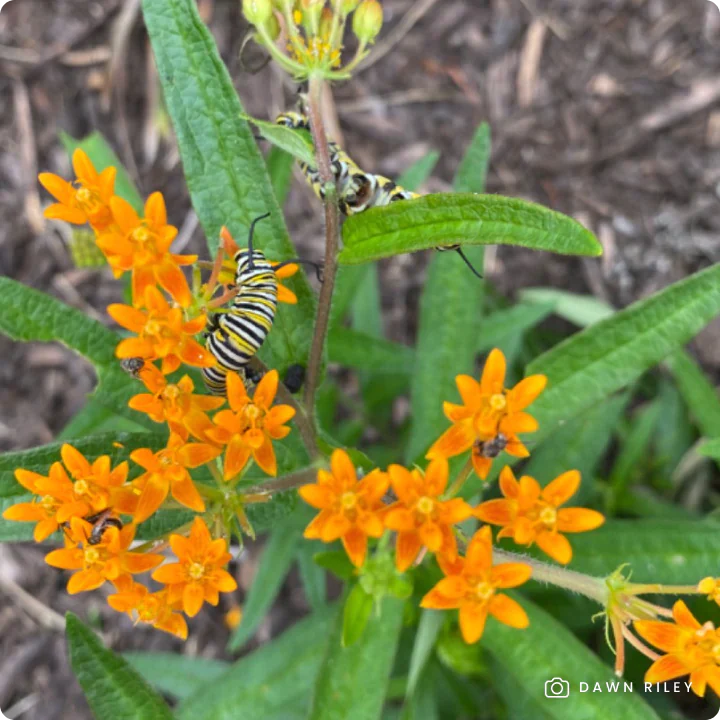
- Essential Host Plant: Serves as a critical host for Monarch butterfly caterpillars, providing the food they need to grow and transform.
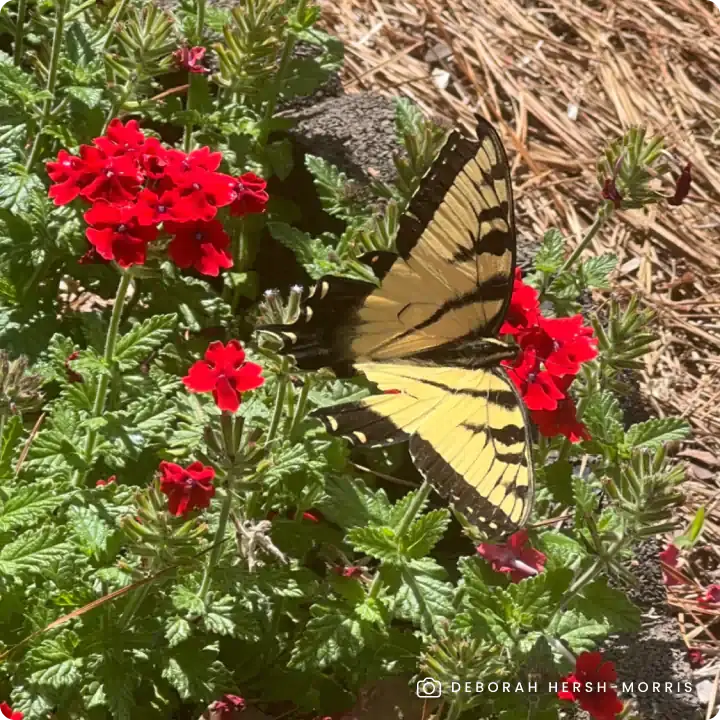
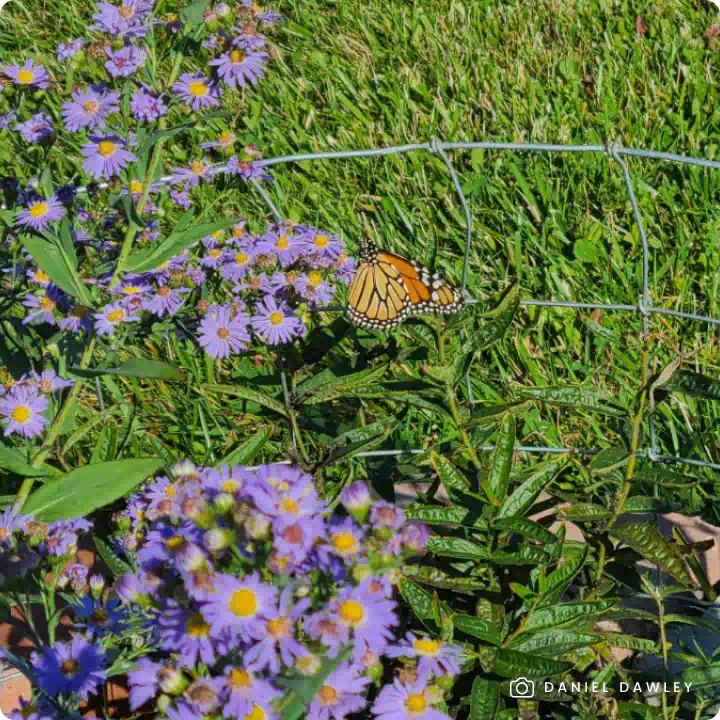
- Pollinator Magnet: Drooping, aromatic flower clusters attract Monarchs, Swallowtails, Fritillaries, Skippers, Pearl Crescents, and Bumblebees.
- Tall & Elegant: Reaches heights of 5-6 feet with large, lush foliage, adding dramatic vertical structure to the back of garden beds.
- Fragrant Blooms: Produces striking, pendulous umbels of white-to-pinkish flowers that are strikingly aromatic when in bloom.
- Pollinator-Safe: Grown non-GMO and free of harmful neonicotinoids, promoting a healthy ecosystem for pollinators and wildlife.
Available in sets of three, six, or 12 plants to create a pollinator-friendly habitat in your garden.
Why Choose Poke Milkweed?
Poke Milkweed is the perfect solution for gardeners who want to support monarchs but lack full sun. Its ability to flourish in moist, shady environments makes it an ecological powerhouse for woodland edges and shaded backyards. With its rapid growth, fragrant blossoms, and support for a wide range of pollinators—including the unexpected Cycnia moth—it brings life and beauty to areas where other milkweeds struggle.
Planting Tips:
- Location: Prefers partial shade, dappled sunlight, or woodland edges. Avoid deep shade for best flowering. Thrives in moist, well-drained, acidic-to-neutral soil with high organic content. Place plants in the back of the border, as their height (up to 6 ft) can shadow smaller plants.
- Watering: Water regularly during the first growing season to establish deep roots. It prefers consistent moisture, similar to its native habitat near pond shorelines and damp woods.
- Maintenance: Minimal care required. It is not aggressive like Common Milkweed. Allow seed pods to form for winter interest or collect seeds for propagation.
For more information on planting, view our How to Plant Your Native Plants guide and other planting tips in the Garden for Wildlife Learning Center.
 Grows to:
  Spread:
  Blooms:
  Light Requirements:
  Soil Moisture:
  Soil Description:
  Attracts:
 Verified Buyer