






Leadplant (Amorpha canescens), also known as Prairie Shoestring, is a legendary tallgrass prairie native that crowns soft, silvery-gray foliage with striking wands of deep purple and vivid orange.
Leadplant is one of the most ecologically significant native subshrubs of the American prairie—a compact, silver-leaved plant whose famously tough, deep taproot once anchored the vast tallgrass and mixed-grass prairies of the central United States. (Pioneer farmers nicknamed it "Prairie Shoestring" because its woody roots frequently snapped plow blades). Its dense, hairy, pinnate leaves create a soft silver-gray mound covered from June through August in showy purple flower spikes with contrasting orange anthers. A nitrogen-fixer, drought survivor, and essential prairie staple, Leadplant supports specialist bees, larval butterflies, and a rich web of native insects.
Key Features:
- Foundational Prairie Anchor: A cornerstone species of historical tallgrass and mixed-grass ecosystems, providing critical multi-tier habitat for specialist bees and prairie insects.
- Vivid Purple & Orange Spikes: Dense spikes of deep purple flowers with bright orange anthers bloom June through August — one of the most striking natives of the central prairie.
- Luminous Silver-Gray Foliage: Softly hairy, pinnate leaves reflect harsh sunlight and provide beautiful textural contrast in the garden all growing season long.
- Nitrogen Fixer: Root nodules fix atmospheric nitrogen, naturally enriching the soil and supporting surrounding plant communities.
- Deep-Rooted and Long-Lived: Extensive root systems make it highly drought tolerant once established — a persistent, low-maintenance presence in well-drained prairie soils.
- Pollinator-Safe: Grown non-GMO and neonicotinoid-free to ensure a healthy ecosystem for your local wildlife.
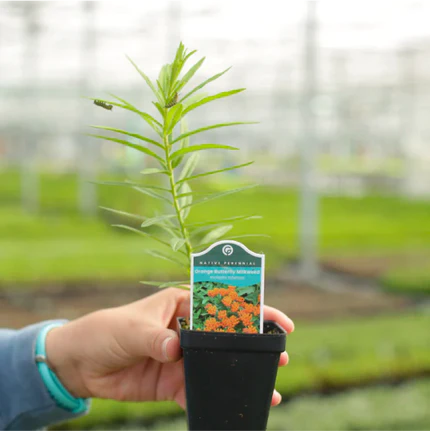
This shrub ships in a one gallon container with established root mass.
Why Choose Leadplant?
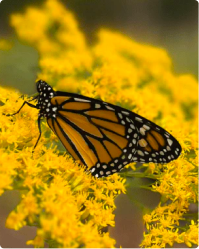
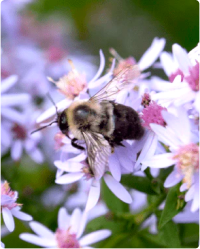
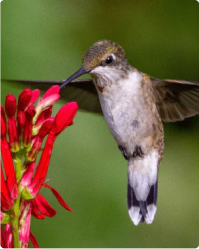
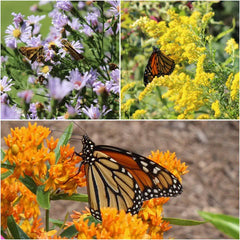
Leadplant pairs lasting garden beauty with irreplaceable ecological value. Reaching 2 to 4 feet tall and wide in a compact, mounding habit, its foliage serves as an essential larval host for specialized butterflies like the Southern Dogface, Reakirt's Blue, and Marine Blue. Its nectar-rich summer blooms are heavily targeted by specialist native bees and beneficial wasps, while its persistent seed heads provide a vital food source for ground-foraging birds.
Planting Tips:
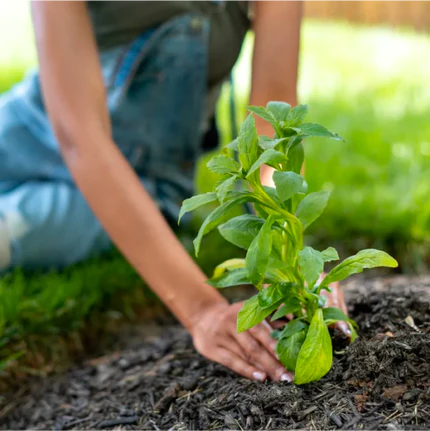
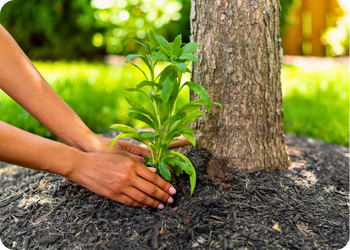
- Location: Plant in full sun with dry to medium, well-drained sandy, rocky, or loamy soils. Highly tolerant of poor fertility, but does not tolerate wet, soggy, or heavy clay-rich soils.
- Watering: Water regularly during its first growing season to encourage its deep taproot to settle. Once established, its extensive root network makes it remarkably drought-hardy.
- Maintenance: Minimal care required. If desired, prune lightly in late winter or early spring before new growth begins to shape the shrub or remove any dead stems.
For more information on planting, view our How to Plant Your Native Plants guide and other planting tips in the Garden for Wildlife Learning Center.
Add the beauty and ecological benefits of Leadplant to your garden — a native shrub that rewards you with dense spikes of deep purple flowers with vivid orange anthers from June through August while supporting pollinators and wildlife.
 Grows to:
  Spread:
  Blooms:
  Light Requirements:
  Soil Moisture:
  Soil Description:
  Attracts:
 Verified Buyer