





Inland Sea Oats (Chasmanthium latifolium), also known as River Oats, Wild Oats, Wood Oats, Flathead Grass, is a shade-loving native grass that brings architectural texture, graceful movement, and rich autumn color to dark garden spots.
Inland Sea Oats is one of the few native ornamental grasses that thrives in partial to deep shade, making it an essential choice for woodland gardens, shaded borders, and stream banks. Arching, bamboo-like stems carry flat, dangling oat-like seed heads that sway with every breeze from midsummer through winter, ripening from fresh green to rich bronze-copper as the season turns. It fills shaded spaces with graceful texture and year-round wildlife value—where most sun-loving grasses refuse to grow.
Key Features:
- Thrives in Shade: One of the only native grasses that performs well in partial to full shade — ideal for woodland understory and dappled-light plantings.
- Dramatic Seed Heads: Flat, pendulous, oat-like seed heads dangle and sway from midsummer through winter, providing season-long ornamental interest.
- Fall and Winter Color: Foliage and seed heads transition from green to warm bronze-copper in autumn, persisting through winter for continued garden interest.
- Container Favorite: Exceptional choice for shaded patio pots and planter boxes, where its clumping habit creates a stunning "thriller/spiller" effect while keeping self-seeding contained.
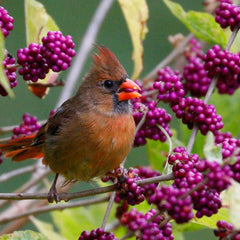
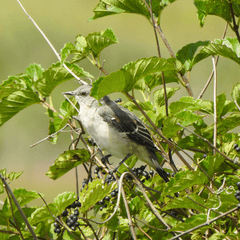
- Wildlife Value: Seed heads feed finches, sparrows, and other songbirds; clumping habit provides cover for insects and ground-dwelling wildlife.
- Gentle Spreader: Expands slowly by rhizomes and self-seeding to naturally fill shaded areas without becoming aggressive.
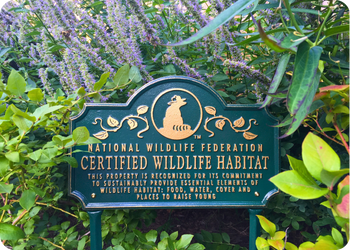
- Eco-Friendly: Grown non-GMO and neonicotinoid-free to ensure a healthy ecosystem for your local wildlife.
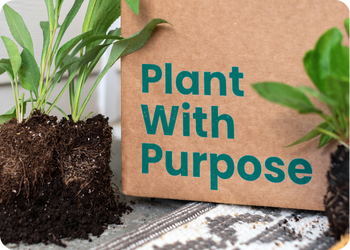
Our plants ship in 3-inch pots, have a developed root mass, and emerging foliage around 2-5 inches high.
Why Choose Inland Sea Oats?
Beyond its bamboo-like elegance, Inland Sea Oats serves as a vital cornerstone for shade-dwelling wildlife. It is a primary larval host plant for native butterflies like the Pepper and Salt Skipper, while its heavy crop of seed heads provides an essential winter food source for cardinals, finches, sparrows, and juncos. Whether planted in garden beds or kept on a shaded porch in containers, its arching foliage provides safe shelter for ground-dwelling beneficial insects and small wildlife.
Planting Tips:
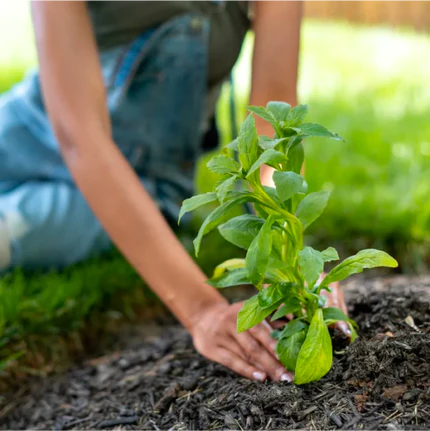
- Location: Plant in partial shade to full shade. Tolerates full sun only if given consistent moisture. Highly adaptable to clay, loam, or sandy soils, and excels in both garden beds and large patio containers (at least 12 inches wide and 9 inches deep)
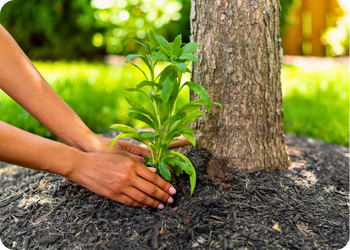
- Watering: Water regularly during the first growing season to establish roots. Once established, it tolerates occasional dry spells.
- Maintenance: Minimal care required. Leave standing through winter for cover and seed, then cut back in late spring before new growth emerges.
For more information on planting, view our How to Plant Your Native Plants guide and other planting tips in the Garden for Wildlife Learning Center.
Add the beauty and ecological benefits of Inland Sea Oats to your garden—a native perennial grass that rewards you with flat, pendulous oat-like seed heads from midsummer through winter while supporting pollinators and wildlife.
 Grows to:
  Spread:
  Blooms:
  Light Requirements:
  Soil Moisture:
  Soil Description:
  Attracts:
 Verified Buyer