





Fernbush (Chamaebatiaria millefolium), also known as Desert Sweet, is an underrated High Desert treasure that bridges the dry midsummer nectar gap with fragrant, fern-like foliage and showy white flower plumes.
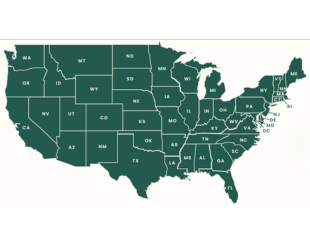
Fernbush is a fragrant, rarely cultivated gem of the Great Basin and Intermountain West. A medium-sized shrub covered in finely cut, feathery leaves, it releases a sweet, resinous scent whenever touched, and comes smothered in showy, white flower panicles from July through August. Native to rocky canyon walls, dry slopes, and high desert scrub from Oregon and Idaho south to Arizona and New Mexico, it thrives in intense heat, alkaline soils, and full sun with minimal water—filling a visual and ecological niche left empty by most other native shrubs.
Key Features:
- Fern-Like Textural Beauty: Finely dissected, feathery leaves provide unique texture among western native shrubs — and release a pleasant sweet-resinous fragrance whenever touched or brushed.
- Showy Midsummer Bloom: Dense white flower panicles cover the plant July through August — one of the few western native shrubs to put on a major floral display in midsummer.
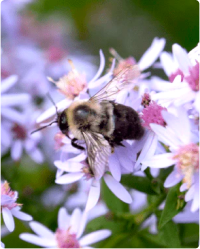
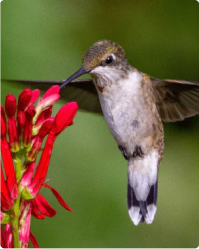
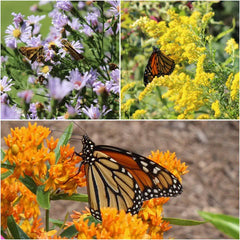
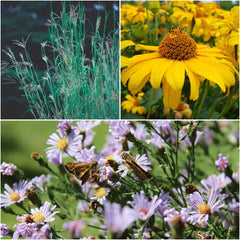
- Pollinator Hub: Abundant summer flowers attract native bees, butterflies, and beneficial insects at a time when competition from other blooms is low.
- Built for the Arid West: Native to rocky canyon walls and high desert scrub — thrives in alkaline soils, intense heat, and minimal supplemental water.
- Semi-Evergreen Structure: Holds onto its aromatic, finely textured foliage through mild winters, providing multi-season visual interest and wildlife cover.
- Eco-Friendly: Grown non-GMO and neonicotinoid-free to ensure a healthy ecosystem for your local wildlife.
This shrub ships in a one gallon container with established root mass.
Why Choose Fernbush?
Fernbush plays a vital ecological role across the Great Basin and Intermountain West. Because it flowers in peak July and August heat, its nectar-rich plumes act as a critical oasis for leafcutter bees, digger bees, sweat bees, and swallowtail butterflies. Its dense branching provides essential nesting shelter for desert birds, while its post-bloom seed heads offer valuable fall and winter forage for dark-eyed juncos, towhees, and native sparrows.
Planting Tips:
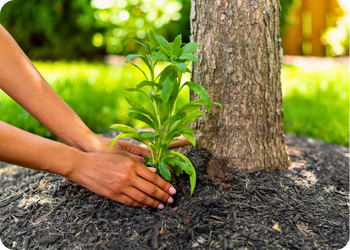
- Location: Plant in full sun with dry, rocky, or sandy soils. Exceptional drainage is essential; thrives in lean, alkaline, or calcareous soils where richer garden soils cause root issues.
- Watering: Water regularly during its first growing season to build a deep root system. Once established, it is extremely drought-hardy and requires virtually no supplemental summer water.
- Maintenance: Low-maintenance. Prune lightly in late winter or early spring before new growth emerges to maintain a dense, compact shape or remove winter-damaged stems.
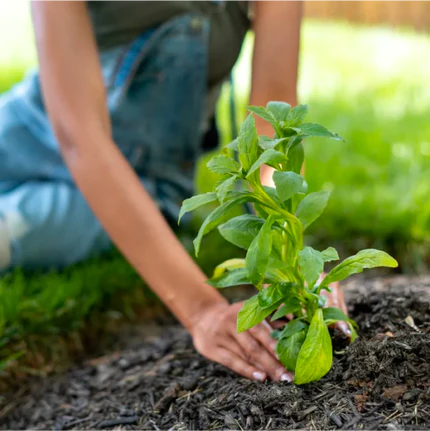
For more information on planting, view our How to Plant Your Native Plants guide and other planting tips in the Garden for Wildlife Learning Center.
Add the beauty and ecological benefits of Fernbush to your garden — a native shrub that rewards you with dense, showy white flower panicles in terminal clusters from July through August while supporting pollinators and wildlife.
 Grows to:
  Spread:
  Blooms:
  Light Requirements:
  Soil Moisture:
  Soil Description:
  Attracts:
 Verified Buyer