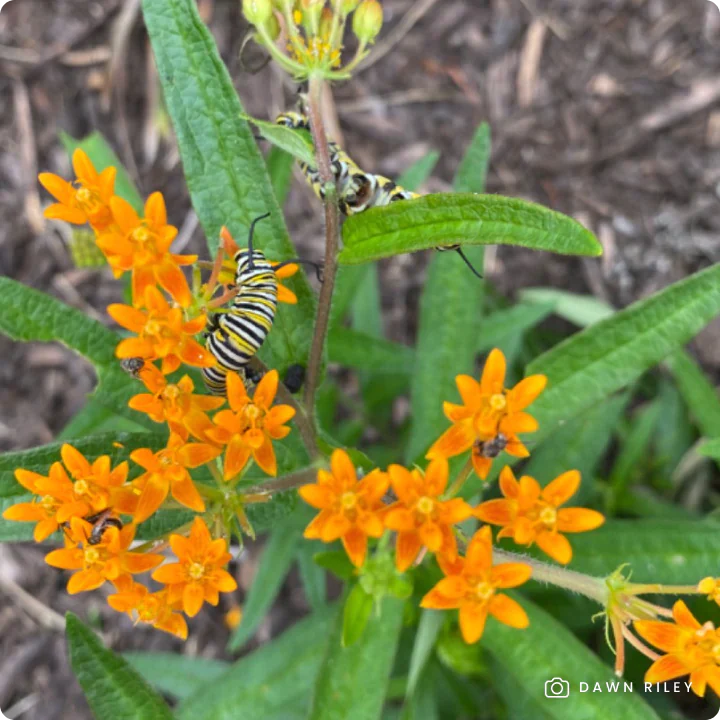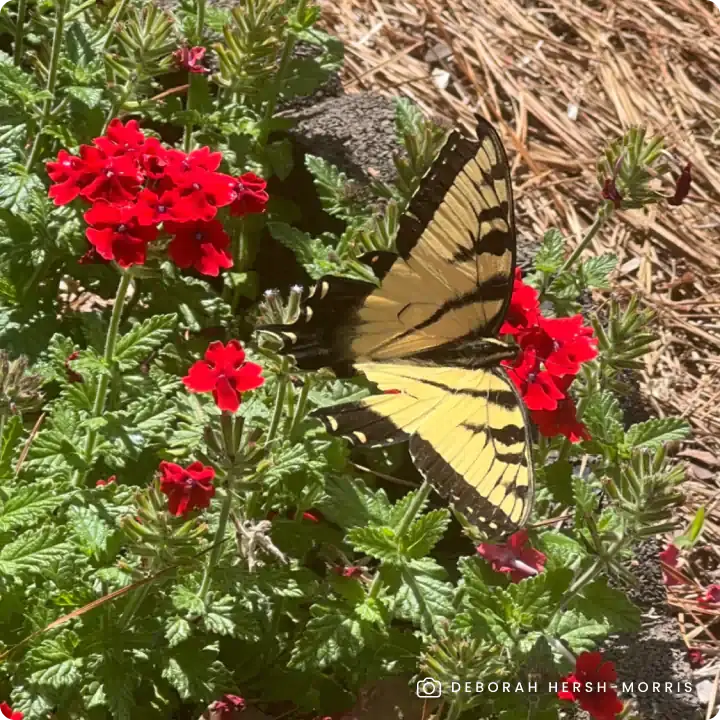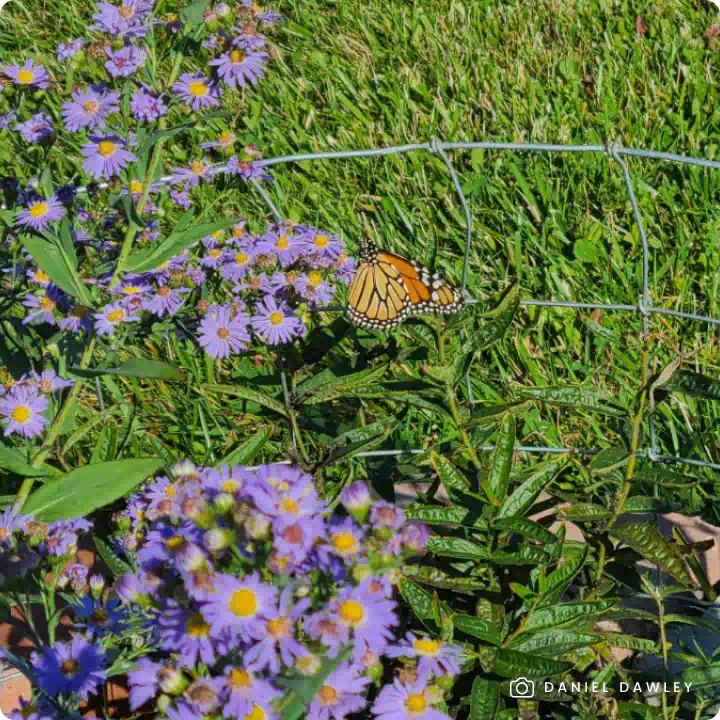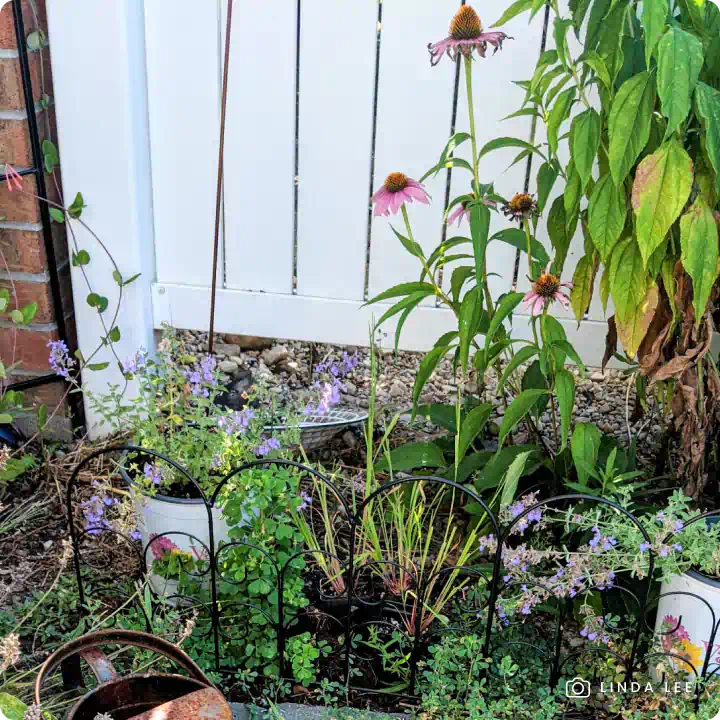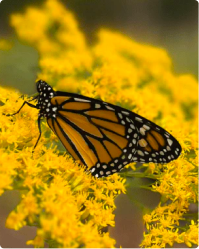
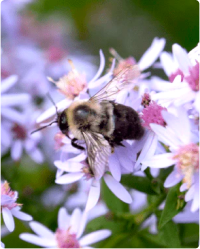
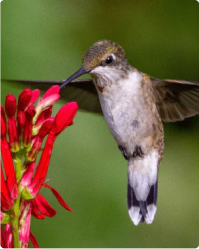
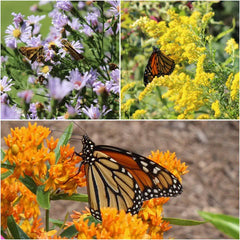








Dotted Gayfeather (Liatris punctata), also known as Dotted Blazing Star, is a compact, tough prairie native that lights up the late-season garden with dense spikes of rose-purple flowers. Growing 1 to 2.5 feet from a deep, drought-defying taproot, it's one of the best fall nectar sources for monarchs and native bees and thrives where little else will.
Key Features:
- Late-Season Nectar Powerhouse: Rose-purple flower spikes open sequentially from the top down in late summer and fall, acting as a magnet for migrating monarchs, butterflies, and native bees.
- Extreme Drought Tolerance: Driven by a taproot that can dive up to 15 feet deep, it thrives effortlessly in dry, rocky, sandy, or clay soils with little to no supplemental water.
- Compact Prairie Form: A tidy 1-to-2.5-foot clump—shorter, sturdier, and far less prone to flopping than taller blazing star species.
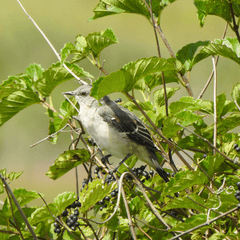
- Wildlife Value: Serves as a vital larval host for flower moths, while its post-bloom seed heads provide critical fall and winter food for goldfinches and songbirds.
- Tough & Long-Lived: A carefree, deer-tolerant native for hot, sunny, low-water landscapes.
- Eco-Friendly: Grown non-GMO and neonicotinoid-free to ensure a healthy ecosystem for your local wildlife.
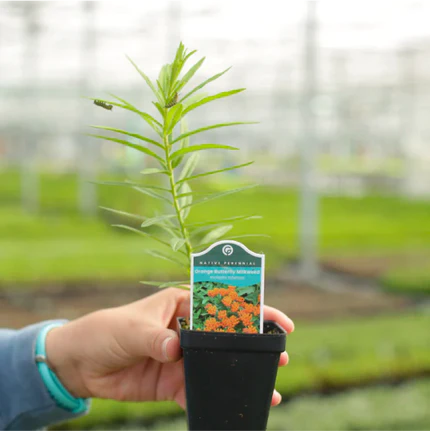
Our plants ship in 3-inch pots, have a developed root mass, and emerging foliage around 2-5 inches high.
Why Choose Dotted Gayfeather?
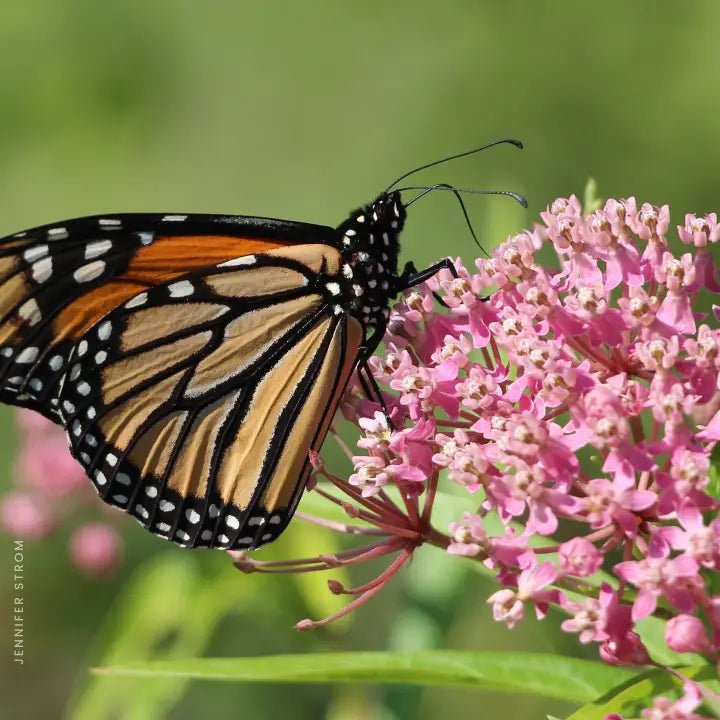
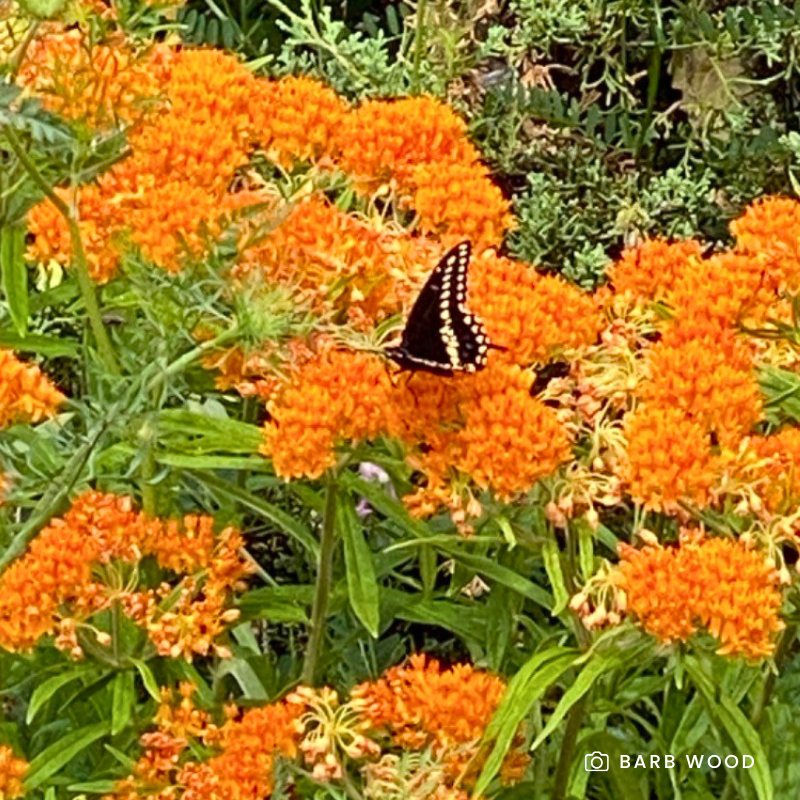
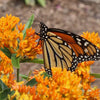
Dotted Gayfeather is a critical lifesaver during the late-season nectar drought. Its high-octane sugar content fuels migrating 4th-generation Monarch butterflies heading south to Mexico, alongside Swallowtails, Painted Ladies, and native Leafcutter Bees. It acts as the exclusive host plant for the specialized Blazing Star Flower Moth (Schinia sanguinea), and its persistent seed heads feed Goldfinches, Juncos, and Chickadees throughout late fall and winter.
Planting Tips:
- Location: Plant in full sun with dry, rocky, sandy, or well-drained clay soils. Thrives in poor soils where other plants struggle, backed by exceptional drought tolerance from its deep taproot.
- Watering: Water regularly during the first growing season to establish roots. Once established, its deep taproot makes it extraordinarily drought-hardy, requiring minimal intervention.
- Maintenance: Minimal care required. There's no need to deadhead the flowers, as allowing them to go to seed provides a valuable food source for birds. Leaving the stems standing in the fall offers overwintering sites for beneficial insects. If desired, cut back the stems in late spring after pollinators have emerged.
For more information on planting, view our How to Plant Your Native Plants guide and other planting tips in the Garden for Wildlife Learning Center.
Add the beauty and ecological benefits of Dotted Gayfeather to your garden—a native perennial that rewards you with dense spikes of rose-purple flowers from late summer to fall (August–October), opening top-down while supporting pollinators and wildlife.
 Grows to:
  Spread:
  Blooms:
  Light Requirements:
  Soil Moisture:
  Soil Description:
  Attracts:
 Verified Buyer