







Desert Willow (Chilopsis linearis), also known as Desert Catalpa, Flowering Willow, is a fast-growing southwestern showstopper that turns intense heat and dry soil into months of orchid-like color.
Desert Willow is a fast-growing small tree of southwestern desert washes, prized for months of orchid-like, trumpet-shaped blooms in shades of pink, lavender, and burgundy. Reaching 15 to 30 feet, this airy, willow-leaved native laughs at heat and drought and is a magnet for hummingbirds and native bees.
Key Features:
- Months of Bloom: Fragrant, orchid-like trumpet flowers in pink to burgundy appear from late spring through fall, often reblooming after rain.
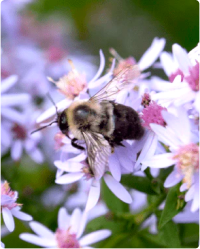
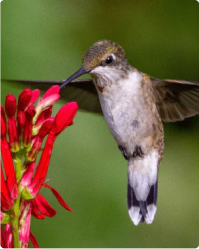
- Hummingbird & Bee Magnet: The nectar-rich trumpets are irresistible to hummingbirds, large carpenter bees, and butterflies.
- Extreme Drought Tolerance: Thrives in hot, dry, sandy or gravelly soils and full sun with almost no supplemental water once established.
- Graceful Small Tree: An airy, multi-stemmed form with slender, willow-like leaves - perfect as a patio tree, screen, or xeriscape accent.
- Fast Growing: Establishes and flowers quickly, providing shade and color in just a few seasons.
- Eco-Friendly: Grown non-GMO and neonicotinoid-free to ensure a healthy ecosystem for your local wildlife.
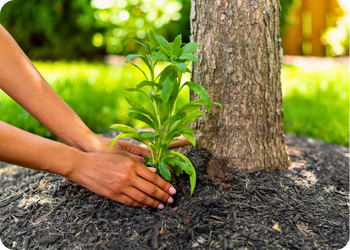
This tree ships in a one gallon container with a robust, established root system, promoting quick establishment and growth after planting.
Why Choose Desert Willow?
Desert Willow is a premier habitat tree for arid and water-wise gardens. Its deep trumpet flowers are custom-built for Costa's, Black-Chinned, and Broad-Tailed Hummingbirds, while large Carpenter Bees and Leafcutter Bees rely on its blooms for pollen. The foliage serves as a larval host for native moths, and the long, woody seed pods remain on bare winter branches, offering shelter and winter seeds for desert songbirds like towhees and sparrows.
Planting Tips:
- Location: Plant in full sun with dry, sandy or gravelly, sharply drained soils; tolerates alkaline soil and intense heat; exceptional drought tolerance.
- Watering: Water regularly during the first growing season to establish roots. Once established, it tolerates occasional dry spells.
- Maintenance: Minimal care required. Prune in late winter or early spring to remove dead or damaged branches and establish a strong structure.
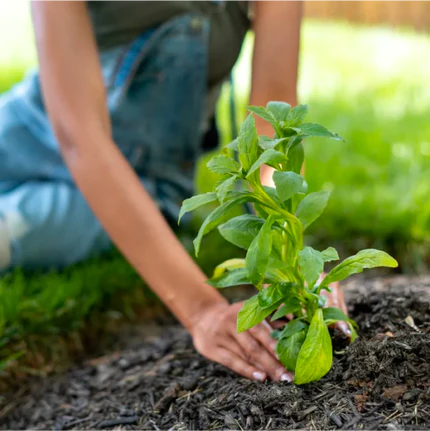
For more information on planting, view our How to Plant Your Native Plants guide and other planting tips in the Garden for Wildlife Learning Center.
Add the beauty and ecological benefits of Desert Willow to your garden—a native tree that rewards you with showy, orchid-like trumpet flowers in pink, lavender, and burgundy from late spring through fall (May–September) while supporting pollinators and local wildlife.
 Grows to:
  Spread:
  Blooms:
  Light Requirements:
  Soil Moisture:
  Soil Description:
  Attracts:
 Verified Buyer