






Blue Wild Indigo (Baptisia australis), also known as Blue False Indigo, is an architectural native powerhouse that brings the presence of an ornamental shrub with zero fuss.
A true backbone of the native garden, Blue Wild Indigo blends dramatic visual impact with effortless resilience. In late spring, towering spikes of indigo-blue, lupine-like blooms rise above a dense, shrub-like mound of blue-green foliage. As summer progresses, the blooms yield striking charcoal seed pods that add autumn interest and winter structure.
Tough as nails and long-lived, this nitrogen-fixing powerhouse thrives in dry or poor soils, resists deer, and rewards your patience with decades of carefree beauty.
Key Features:
- Showy Spring Spikes: Spikes of deep indigo-blue, pea-like flowers bloom from late spring into early summer (April–June), followed by ornamental black seed pods.
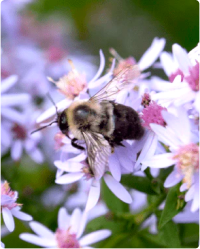
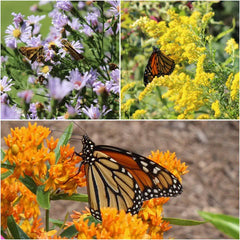
- Butterfly Host & Bee Haven: Serves as a vital larval host plant for the Wild Indigo Duskywing, Frosted Elfin, Hoary Edge, and Sulphur butterflies. Its blooms are beloved by buzz-pollinating bumblebees.
- Tough & Low-Maintenance: Features a deep taproot that makes it exceptionally drought-tolerant once established. Plus, as a nitrogen-fixer, it actually improves your soil!
- Shrub-Like Structure: Forms a rounded, 3-to-4-foot clump that reads like a small shrub - no staking, no fuss.
- Deer-Resistant: Alkaloid-rich foliage is left alone by deer and rabbits.
- Eco-Friendly: Grown non-GMO and neonicotinoid-free to ensure a healthy ecosystem for your local wildlife.
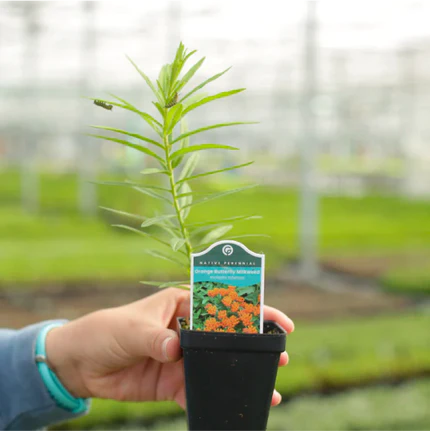
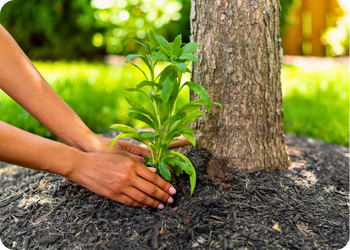
Our plants ship in 3-inch pots, have a developed root mass, and emerging foliage around 2-5 inches high.
Why Choose Blue Wild Indigo?
Combining lasting garden beauty with essential ecological benefits, Blue Wild Indigo matures into a 3-to-4-foot shrubby mound of distinct blue-green foliage. Beyond its striking visual presence, it actively drives local biodiversity—serving as a vital larval host for five native butterfly species (including the Frosted Elfin and Wild Indigo Duskywing) and providing rich nectar for buzz-pollinating bumblebees. It's a resilient, low-maintenance cornerstone plant designed to thrive season after season.
Planting Tips:
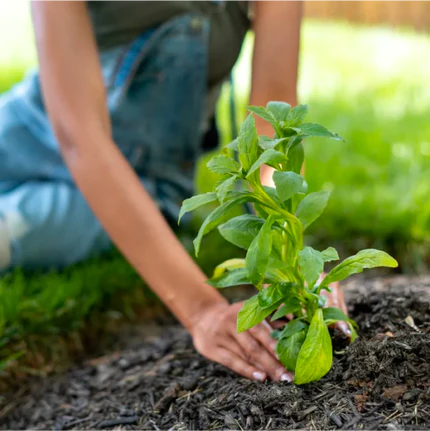
- Location: Plant in full sun to part shade (full sun produces the strongest stems and best blooms). Thrives in average to dry, well-drained soils. As a nitrogen-fixing legume with a deep taproot, it adapts remarkably well to poor, lean soils.
- Watering: Water regularly during its first growing season to help establish its root system. Once established, its deep taproot makes it exceptionally drought-tolerant.
- Maintenance: Minimal care required. Skip the deadheading—allowing the charcoal pods to go to seed offers visual winter interest and a natural food source for songbirds. Leave stems standing through winter to provide shelter for overwintering beneficial insects, then cut back in late spring once local pollinators have safely emerged.
For more information on planting, view our How to Plant Your Native Plants guide and other planting tips in the Garden for Wildlife Learning Center.
Add the beauty and ecological benefits of Blue Wild Indigo to your garden today—a resilient native perennial that rewards you with towering indigo-blue blooms, striking winter seed pods, and a thriving wildlife habitat for years to come.
 Grows to:
  Spread:
  Blooms:
  Light Requirements:
  Soil Moisture:
  Soil Description:
  Attracts:
 Verified Buyer