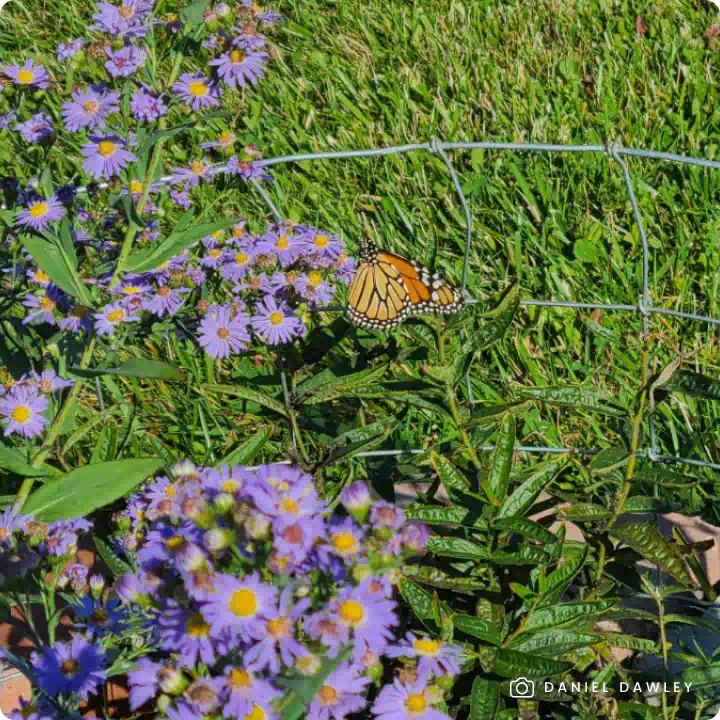







Aromatic Aster (Symphyotrichum oblongifolium) is a tough-as-nails native perennial that puts on a breathtaking grand finale—blanketing itself in vibrant, violet-blue daisies just as the rest of the garden goes to sleep.
A compact, naturally mounding powerhouse, Aromatic Aster is celebrated as one of the very best late-season native flowers in North America. Reaching a tidy 1 to 3 feet tall and wide, it thrives in dry, lean, sun-drenched soils where other perennials scorch. When its foliage is brushed or crushed, it releases a delightful, minty balsam fragrance, followed by a tidal wave of golden-centered purple blooms that persist from September straight through November's hard frosts.
Key Features:
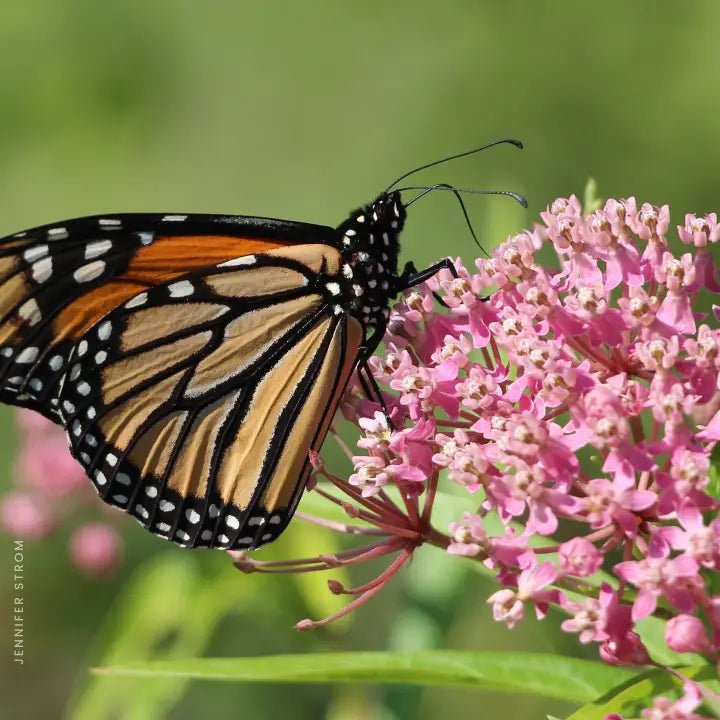
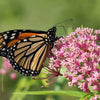
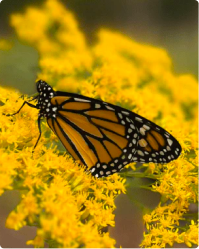
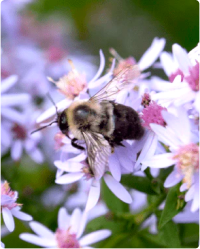
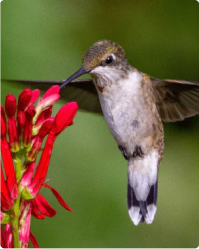
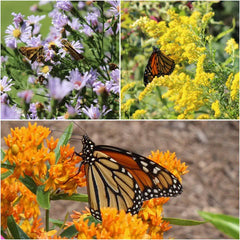
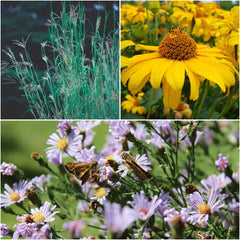
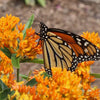
- Late-Season Pollinator Lifeline: Blooms late into autumn—providing a vital, life-saving nectar source for migrating Monarch butterflies, native bees, and beneficial pollinators when almost nothing else is flowering.
- Keystone Caterpillar Host: As part of the keystone genus Symphyotrichum, it serves as a critical larval host for the Pearl Crescent butterfly and over 100 native moth species.
- Tough & Drought-Proof: Thrives in hot, dry, poor, rocky, or sandy soils in full sun, needing little care once established.
- Tidy, Mounding Habit: Unlike leggy asters that require wire cages or staking, this species forms a dense, self-supporting bush shape.
- Aromatic Foliage: Blue-green leaves release a pleasant balsam scent when brushed or crushed.
- Eco-Friendly: Grown non-GMO and neonicotinoid-free to ensure a healthy ecosystem for your local wildlife.
Our plants ship in 3-inch pots, have a developed root mass, and emerging foliage around 2-5 inches high.
Why Choose Aromatic Aster?
Aromatic Aster is the undisputed hero of the autumn garden. If you want to extend your garden’s bloom season by an extra month while rescuing hungry late-season pollinators, this plant is an absolute necessity. It requires zero pampering, no staking, and no extra fertilizer. As the purple blooms age into fluffy seed heads, native songbirds like goldfinches will visit your yard all winter long to feast on the energy-rich seeds.
Planting Tips:
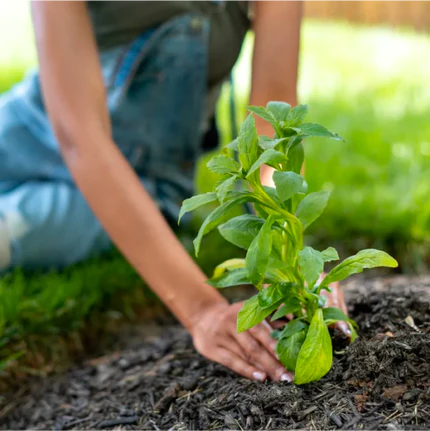
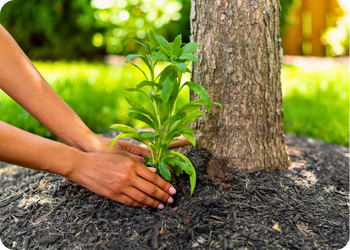
- Location: Plant in full sun (at least 6 hours of direct sunlight for maximum blooms and the tightest shape). Thrives in dry, well-drained, poor, or rocky soils.
- Watering: Water regularly during the first growing season to establish roots. Once established, it tolerates occasional dry spells.
- Maintenance: Minimal care required. There's no need to deadhead the flowers, as allowing them to go to seed provides a valuable food source for birds. Leaving the stems standing in the fall offers overwintering sites for beneficial insects. If desired, cut back the stems in late spring after pollinators have emerged.
For more information on planting, view our How to Plant Your Native Plants guide and other planting tips in the Garden for Wildlife Learning Center.
End the gardening season with a bang—add Aromatic Aster to your yard for a carpet of electric violet-blue blooms that saves migrating butterflies and feeds winter songbirds.
 Grows to:
  Spread:
  Blooms:
  Light Requirements:
  Soil Moisture:
  Soil Description:
  Attracts:
 Verified Buyer